SciRELOAD
SiC wafers have diverse applications, including converters, inverters, battery chargers, and power supplies, and are utilized across various industries such as automotive, renewable energy, telecommunications, defense, and information and communications technology (ICT).
A complex manufacturing process: why is profiling required?
The deployment of SiC wafers presents sophisticated machining challenges for manufacturers across the entire chain, from monocrystal growth to IC packaging. Traditionally, manufacturing processes have been better suited to applications involving silicon (Si). However, machining silicon carbide (SiC) for wafer production involves working with a much harder material using techniques that are not fully optimized for this purpose.
Throughout the manufacturing process, SiC wafers, generally 6 to 8 inches in size, are handled multiple times. Their extreme hardness and brittleness significantly increase the risk of chipping or breakage. To mitigate this risk, SiC wafers are given edge profiles (usually R or F-type) according to SEMI standards. These profiles are typically created using diamond wheel grinding, which faces issues such as diamond wheel wear, uneven grinding, and improper angle formation. This current process is time-consuming and results in high manufacturing costs.
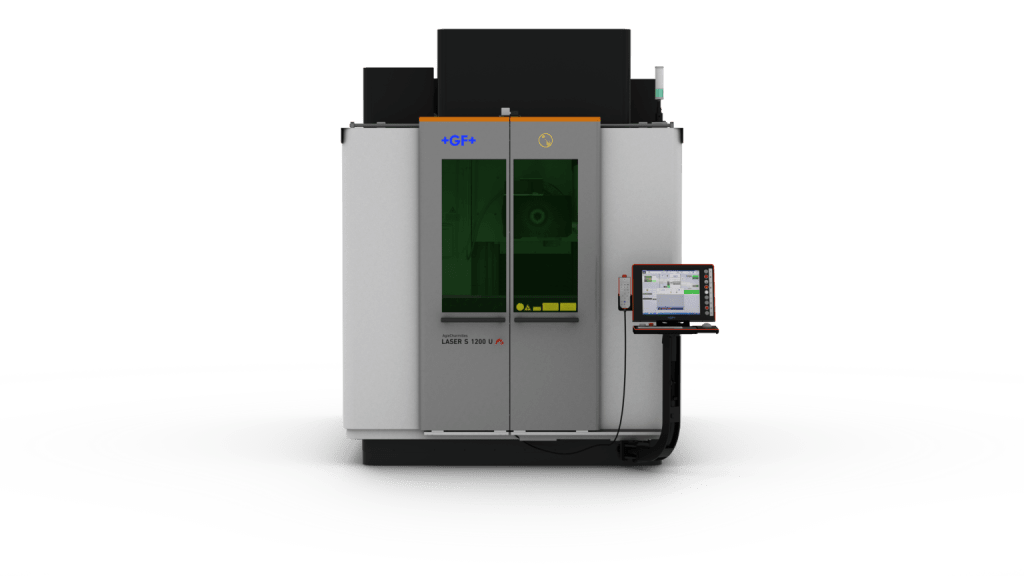
 SciRELOAD